Trump’s Tariff Policies and Canada Trade Fight Face Voter Test in Michigan
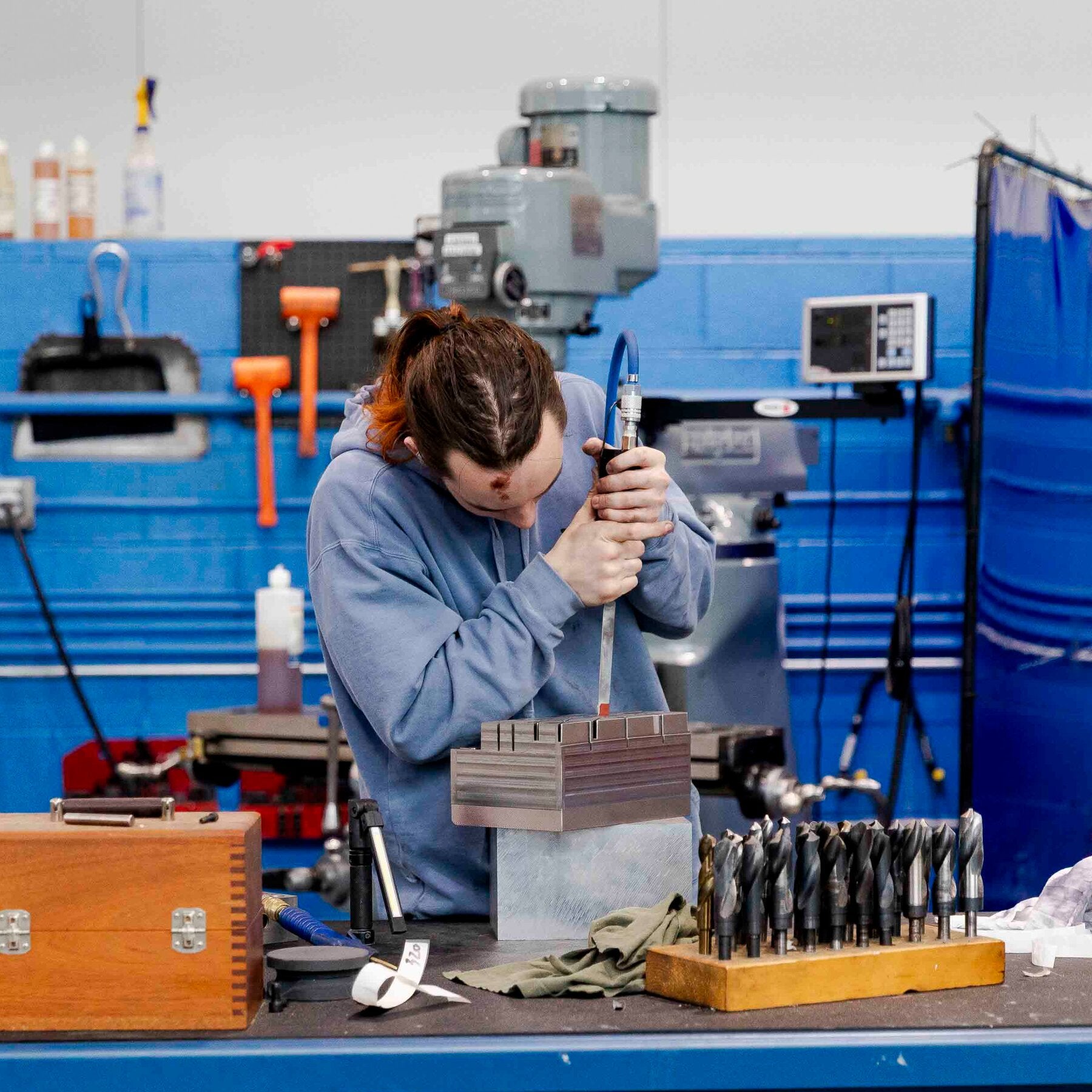
President Trump’s aggressive tariff agenda and escalating trade tensions with Canada are emerging as a defining issue in Michigan, a state where manufacturing jobs and cross-border commerce are deeply intertwined. Voters in key districts are expressing skepticism toward free trade, yet many are equally wary of the president’s unpredictable approach to tariffs, creating a complex political landscape. Michigan’s economy relies heavily on the auto industry and agricultural exports, both of which are vulnerable to retaliatory measures from Canada, the state’s largest trading partner. The tariffs on steel, aluminum, and other goods have raised costs for local manufacturers, while farmers face shrinking markets for products like dairy and soybeans. This economic pressure is fueling a debate over whether the long-term benefits of protectionism outweigh the immediate pain. Polling suggests a divided electorate: some voters support the president’s tough stance on trade as a way to protect American jobs, but others are frustrated by the lack of stability and the impact on family budgets. The uncertainty has made tariffs a central topic in town halls and campaign ads, with candidates from both parties forced to clarify their positions. As the election approaches, the outcome in Michigan could signal whether the president’s trade policies are a winning strategy or a liability. The state’s voters may ultimately decide the future direction of U.S. trade policy.