Proposed Strait of Hormuz Transit Levy Triggers Global Shipping Industry Alarm
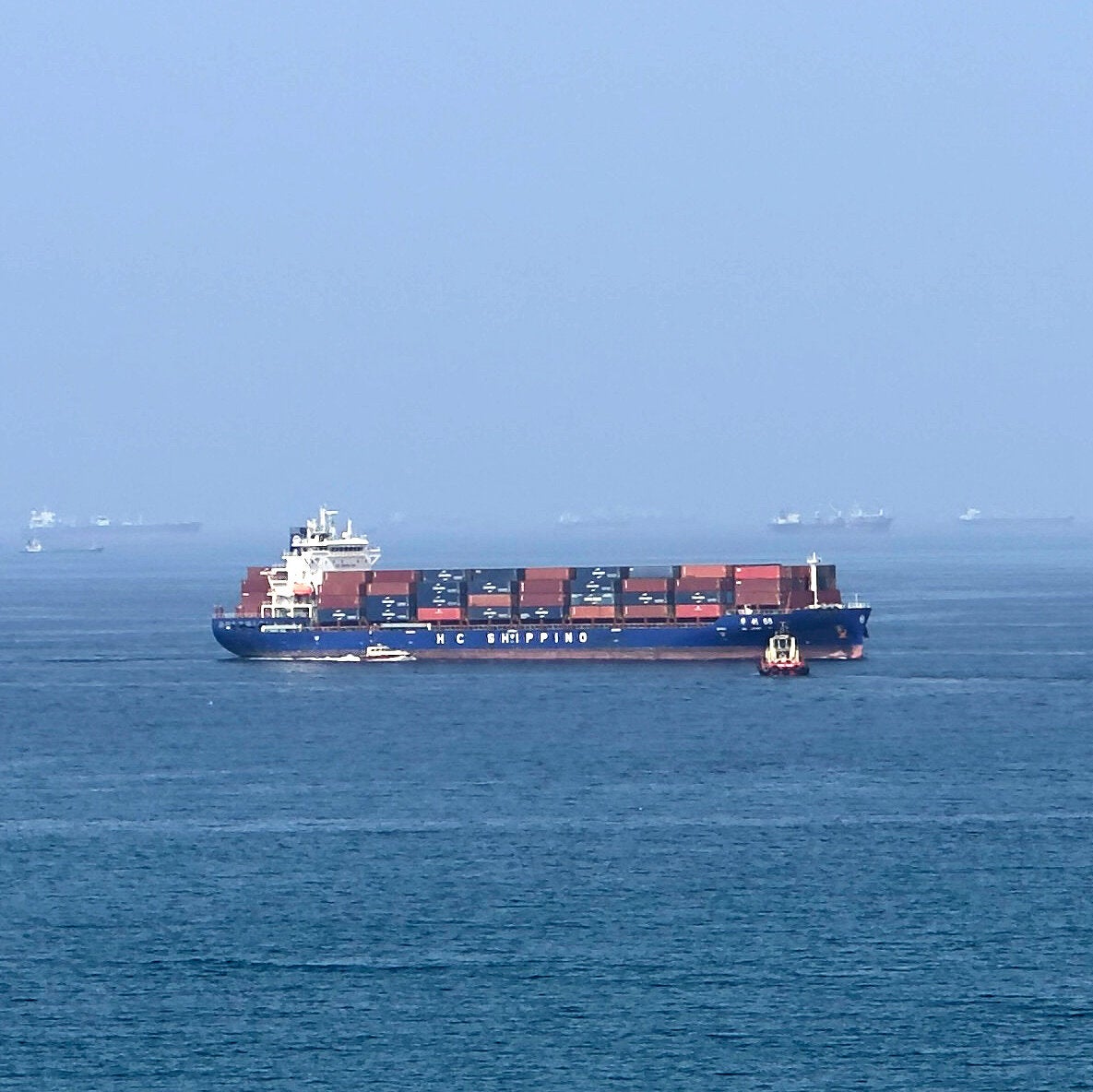
The global shipping industry is facing heightened uncertainty following reports of a proposed 20 percent transit surcharge on vessels navigating the Strait of Hormuz. As one of the world's most critical maritime chokepoints for oil and cargo transit, this potential levy has sparked significant concern among logistics firms and energy stakeholders. Analysts warn that such a substantial tariff would likely result in severe supply chain disruptions and increased operational costs for international carriers. Beyond the immediate impact on shipping, the economic ripples of this proposal extend to global energy markets, threatening to inflate fuel prices and the costs of essential downstream commodities. The industry's reaction underscores a deepening anxiety regarding the stability of maritime routes and the long-term feasibility of maintaining fluid trade lanes in volatile regions. As discourse surrounding the policy continues, logistics experts are closely monitoring the potential for systemic economic instability if the surcharge is officially implemented, emphasizing the vulnerability of vital maritime arteries to geopolitical and fiscal interference.