U.S. Army and NATO Modernize Maneuver Warfare to Neutralize Advanced Drone Threats
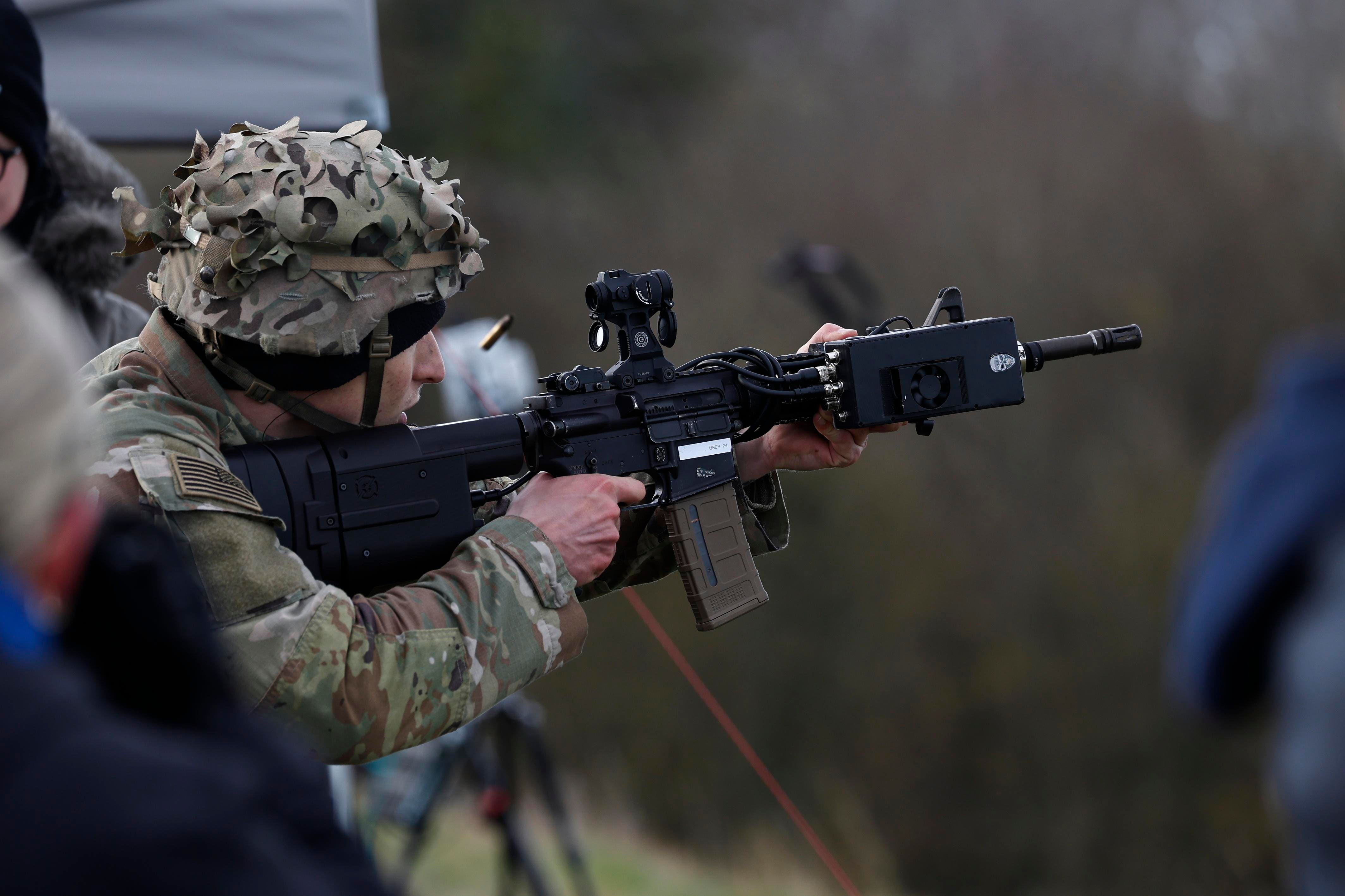
As drone technology transforms the landscape of modern warfare, the U.S. Army and its NATO allies are undergoing a strategic shift, prioritizing maneuver warfare and shared tactical intelligence to counter the rising threat of unmanned aerial systems. By moving away from static air defense models, these forces are adopting a decentralized doctrine of dispersion and rapid, coordinated response. Key elements of this strategy include the utilization of programmable, fragmentation-based ammunition to create lethal defensive zones and the standardization of communication protocols to ensure interoperability between international units. This collaboration allows for a seamless, coalition-wide defensive umbrella, leveraging real-time data to neutralize swarm attacks. Through intense cross-training and the rapid dissemination of combat lessons, the alliance is refining its tactics to adapt to the agility of modern drones. This evolution highlights a broader trend in military operations: the necessity of high-velocity, integrated technological responses to asymmetric threats. Ultimately, the partnership seeks to maintain battlefield dominance by ensuring that technological innovation is met with resilient, adaptive, and highly synchronized defensive doctrine, securing long-term operational success against an increasingly crowded and contested aerial domain.