How the NBA’s Draft Lottery Reform Has Effectively Ended the Era of Tanking
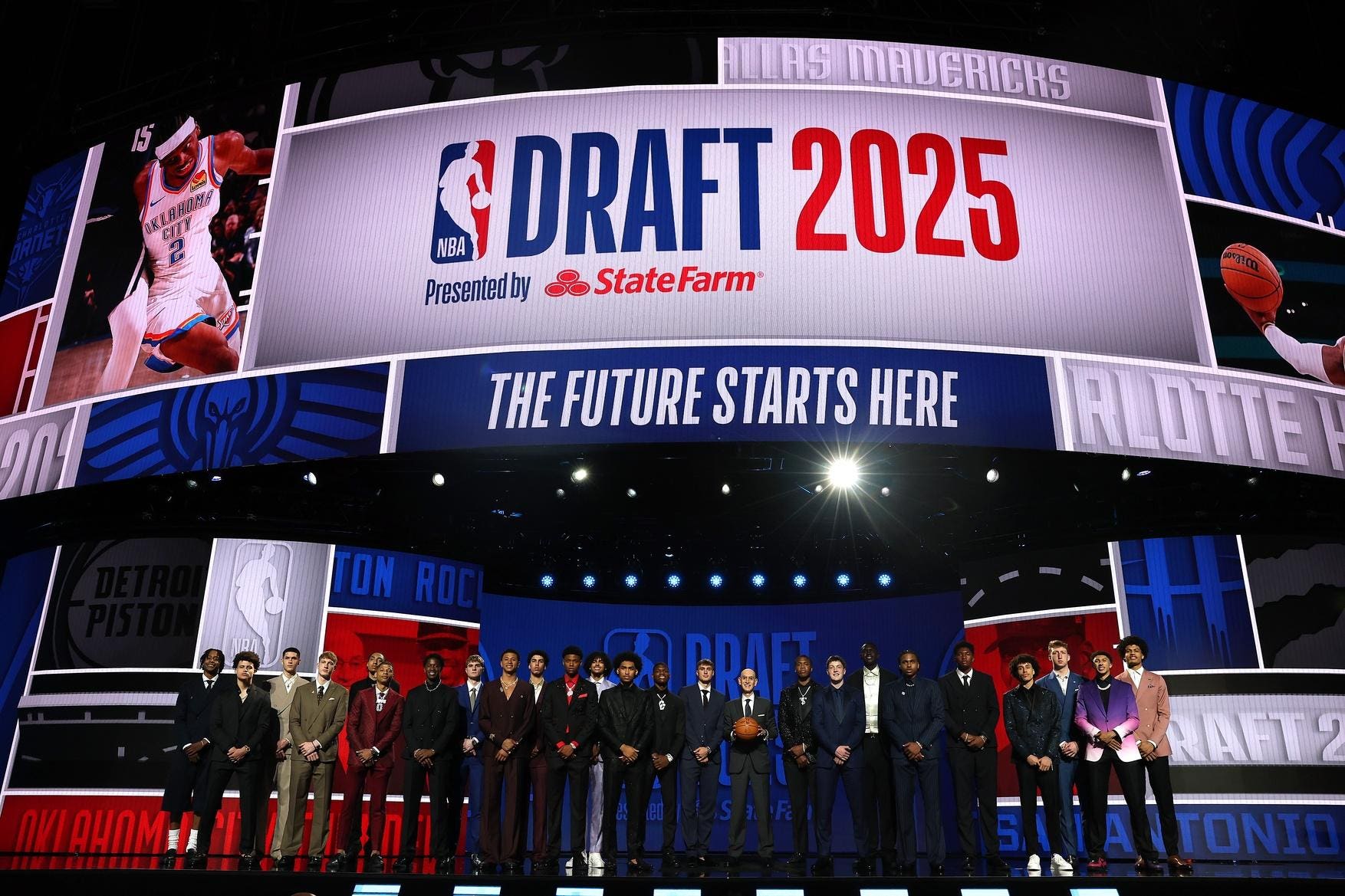
The NBA’s strategic overhaul of its draft lottery system marks a decisive shift in how teams approach the pursuit of talent. By flattening the odds for the three teams with the worst records, the league has effectively neutralized the primary incentive for intentional losing, or 'tanking.' Previously, securing the worst record offered the highest probability of a top draft pick, creating a perverse motivation for teams to field uncompetitive rosters. The new 3-2-1 model, which grants the bottom three teams equal odds of landing the first overall pick, has introduced significant uncertainty into the rebuild process. This article analyzes the business and cultural implications of these changes, exploring how general managers have shifted their strategies toward competitive rebuilding rather than total roster demolition. The result is a more professional league where the integrity of the regular season is prioritized, as organizations are now forced to weigh the risk of high-variance draft outcomes against the economic necessity of maintaining a competitive, fan-friendly product throughout the year.