China's Families Now Support More Elderly Than Children, Census Data Shows
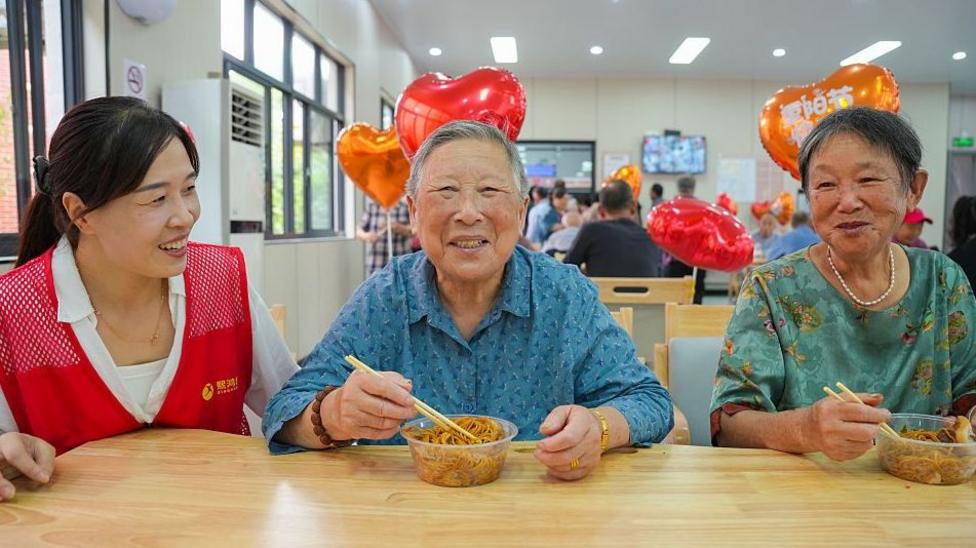
China has reached a demographic turning point: for the first time, the average Chinese household supports more people aged 60 and above than children under 15. According to newly released census data, the ratio of elderly to children within families has crossed a critical threshold, underscoring the rapid ageing of the world's second-largest economy. The shift reflects decades of low birth rates and increased life expectancy, and it poses significant challenges for Beijing's social welfare systems, labour force, and long-term economic growth. Policymakers are now under pressure to expand pension coverage, healthcare services, and elderly care infrastructure, while also encouraging higher birth rates through incentives. The milestone is not just a statistical curiosity; it signals a structural transformation that will reshape everything from housing demand to consumer spending. As China's population ages, the burden on working-age adults will intensify, potentially slowing the country's economic momentum. The data serves as a stark reminder that demographic trends, once set in motion, are difficult to reverse.