Is the Fed's Massive Balance Sheet Overblown? Analyzing the Risks of Deleveraging
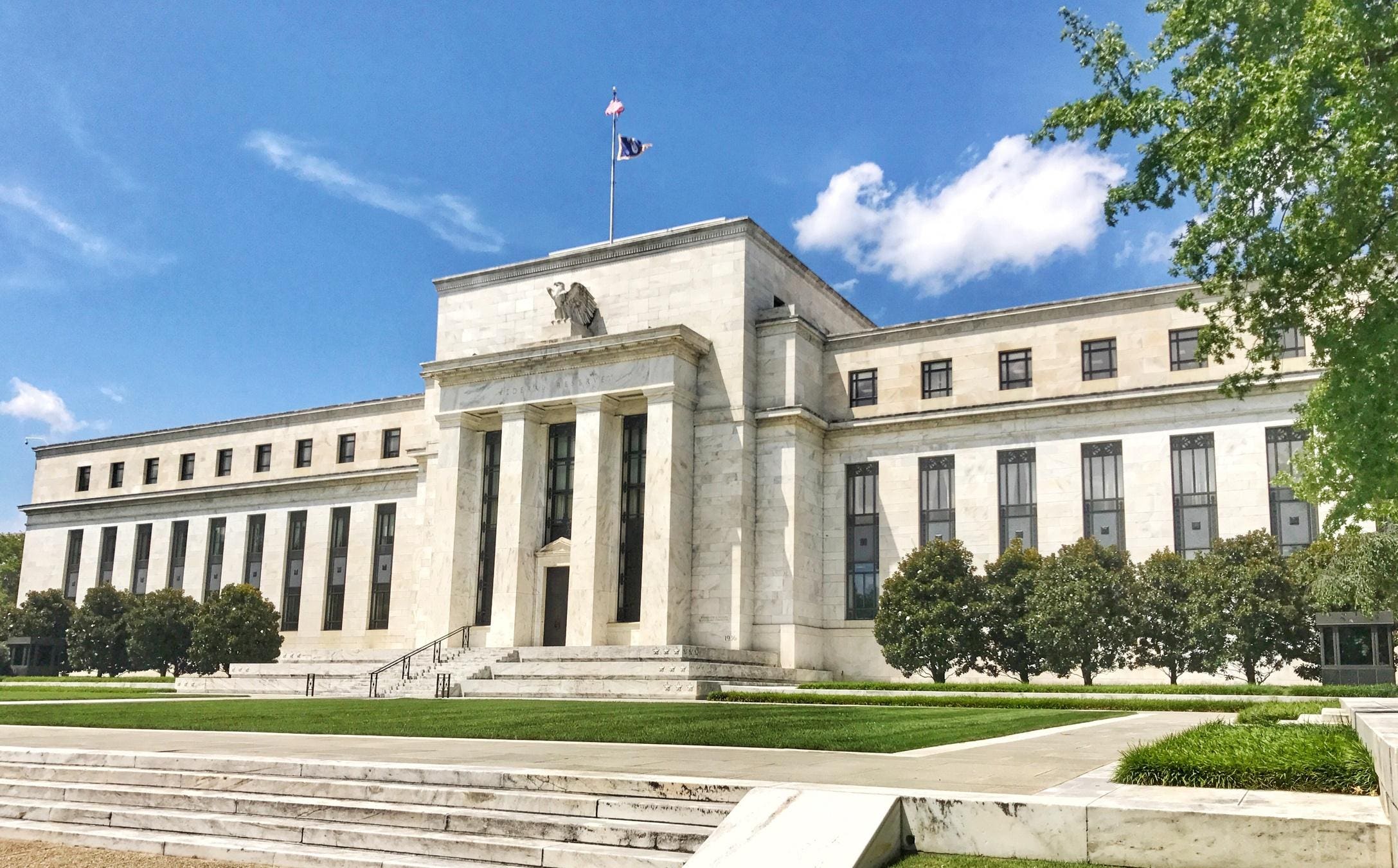
The Federal Reserve's balance sheet has expanded dramatically due to quantitative easing during past crises. This has sparked concerns about the potential fallout from its eventual reduction. However, the argument that the Fed was largely buying assets that the private sector would have acquired anyway suggests a less perilous unwinding process. During the 2008 financial crisis and the COVID-19 pandemic, the Fed's asset purchases aimed to inject liquidity and lower interest rates to stimulate the economy. While the scale of these interventions is vast, the composition of the assets held, primarily Treasuries and MBS, and the underlying market demand for these safe assets imply that their disposal might not be as disruptive as some fear. This analysis explores the origins of the Fed's expanded balance sheet and evaluates the potential impact of quantitative tightening, suggesting that while caution is warranted, the "mountain" of concerns might be more of a "molehill" given the nature of the assets and expected market absorption.