What Happens to a Plug-In Hybrid If You Never Charge It?
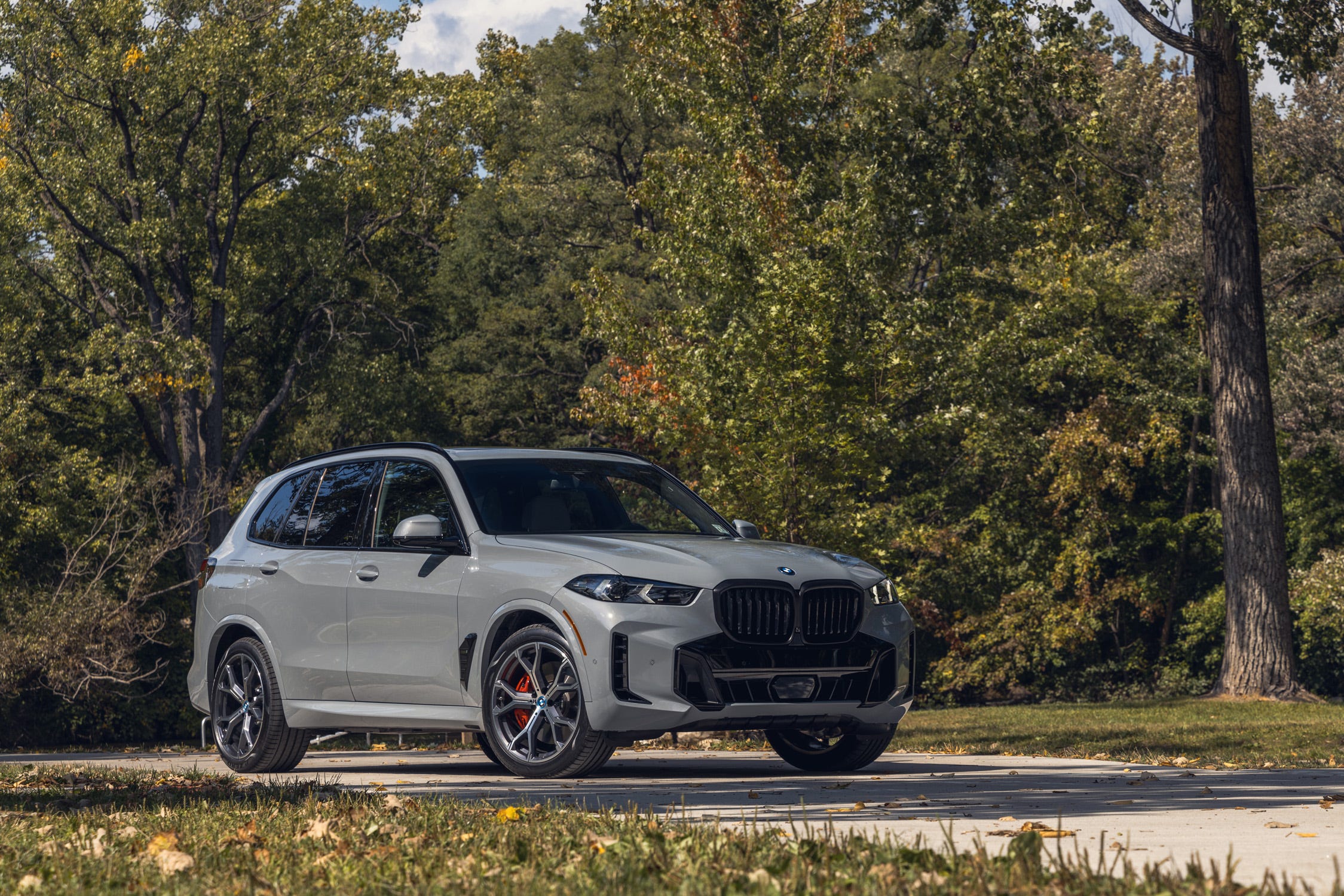
A significant number of plug-in hybrid electric vehicle (PHEV) owners are reportedly not charging their cars, undermining the core benefit of this technology. PHEVs are designed with a battery that can be recharged externally, offering an electric-only range for daily commutes before a gasoline engine takes over. This dual-mode capability promises fuel efficiency and reduced emissions. However, when a PHEV is never plugged in, it essentially functions as a heavier conventional hybrid. This results in higher fuel consumption than intended, as the vehicle relies solely on its gasoline engine for propulsion, bypassing the most efficient electric-only modes. The potential environmental benefits are also significantly diminished, as the vehicle continues to produce tailpipe emissions. While the battery is designed for durability, consistently bypassing full recharges might not be optimal for long-term battery health compared to the intended frequent, partial charging cycles. Ultimately, failing to charge a PHEV means underutilizing the technology, leading to increased fuel costs and missed environmental opportunities, suggesting that a traditional hybrid or BEV might be more appropriate for drivers unwilling or unable to charge.