Mercury’s Final Manual-Shift Car: A Nostalgic Reminder of Honest Engineering in Today’s Auto World
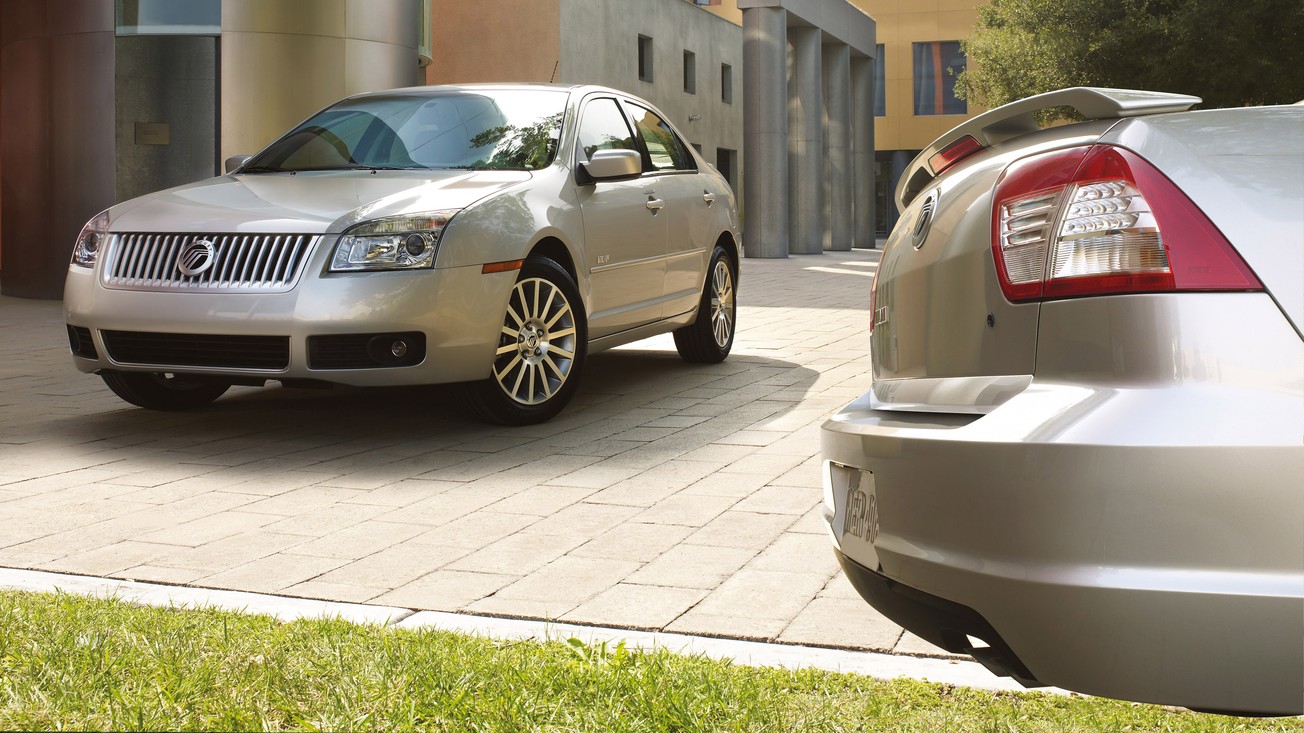
The last Mercury vehicle to offer a manual transmission was the 2010 Mercury Milan, marking the end of an era for a brand that once stood as Ford’s accessible premium line. With its sleek design and driver-focused mechanics, the Milan represented Mercury’s final attempt to balance affordability with craftsmanship—qualities now rare in today’s automated, tech-heavy vehicles. Though Mercury ceased operations in 2011 after a 72-year run, its legacy lives on through models like the Milan, which appealed to enthusiasts seeking a more engaging driving experience without the luxury price tag. The decline of Mercury reflected broader industry shifts toward SUVs, digital interfaces, and automatic transmissions, leaving many drivers longing for cars that valued simplicity and mechanical feedback. The Milan’s manual gearbox, paired with a responsive engine and balanced handling, offered a connection between driver and machine that modern EVs and heavily automated sedans often lack. This shift away from driver engagement has sparked renewed interest among car enthusiasts who view the Milan as a symbol of automotive honesty—a vehicle built not just to impress, but to perform. As automakers pivot toward electrification and autonomous features, the story of Mercury’s final manual car serves as a poignant reminder of what’s been lost: transparency, tactile feedback, and the joy of driving. In a market increasingly dominated by software, the 2010 Mercury Milan stands out as a beacon of authenticity—proof that sometimes, less complexity means more meaning.