Mazda CX-5 Review: Why I No Longer Recommend the New Model Over Rivals
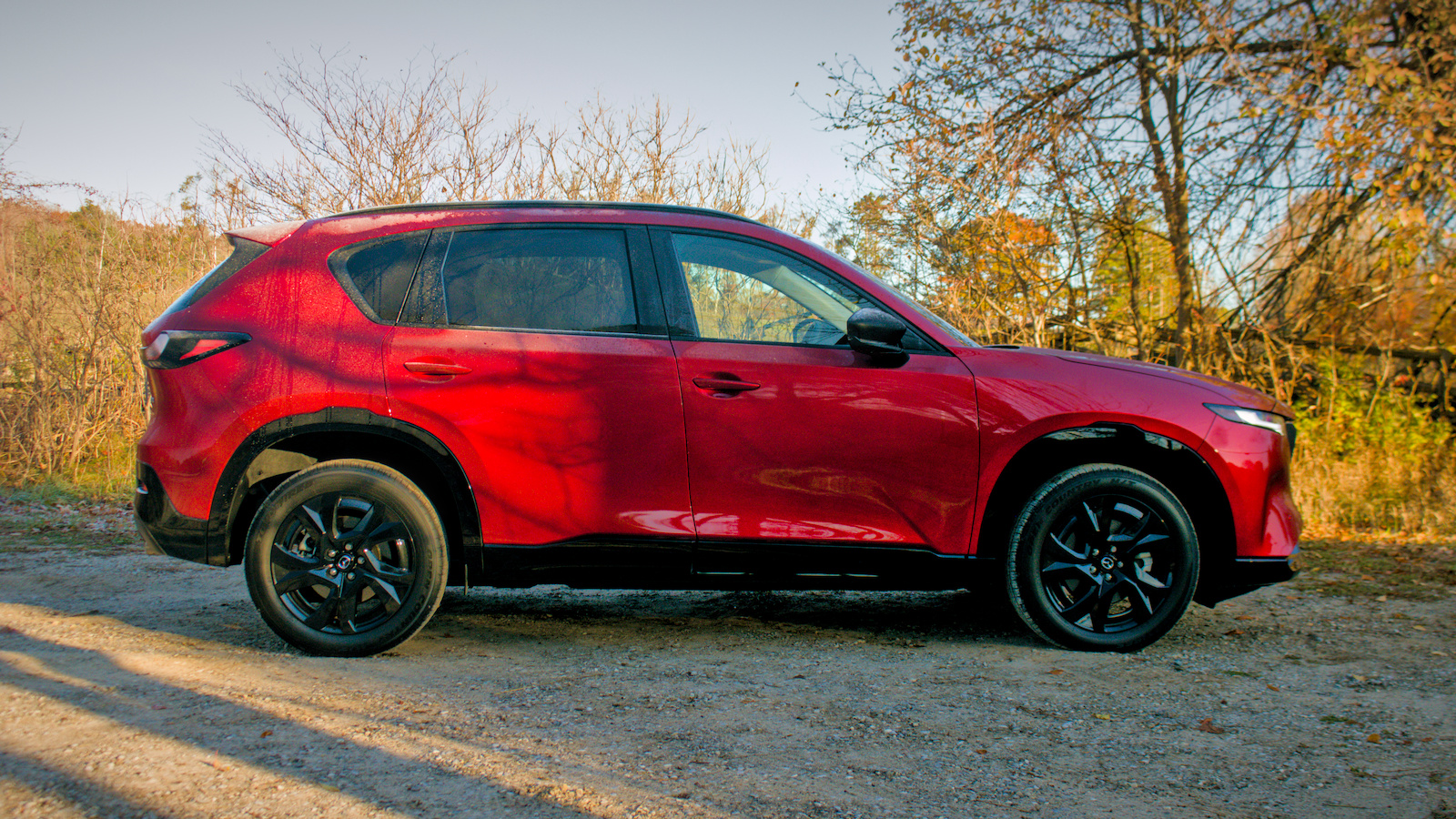
For years, automotive journalists and buyers alike have praised the Mazda CX-5 as the go-to compact crossover for those prioritizing driving dynamics and upscale interiors over hybrid efficiency. It consistently outshone competitors like the Toyota RAV4 and Honda CR-V in refinement and engagement. However, the latest CX-5 has prompted a shift in that long-held recommendation. The new model introduces changes that diminish the very qualities that made it a standout—its steering feel, ride comfort, and overall value proposition now lag behind a fiercely competitive field. This matters because the compact SUV segment is the most crowded and important in the U.S. market, and buyers rely on trusted guidance to navigate it. The CX-5’s evolution reflects broader industry pressures: rising costs, electrification demands, and the challenge of maintaining character while adding technology. As Mazda pivots toward its new CX-50 and upcoming hybrid platforms, the CX-5’s role is changing. For consumers, the takeaway is clear: the default answer is no longer automatic, and test-driving rivals is more crucial than ever.