Racing Transmissions vs. Normal Gearboxes: Unpacking the Performance Difference
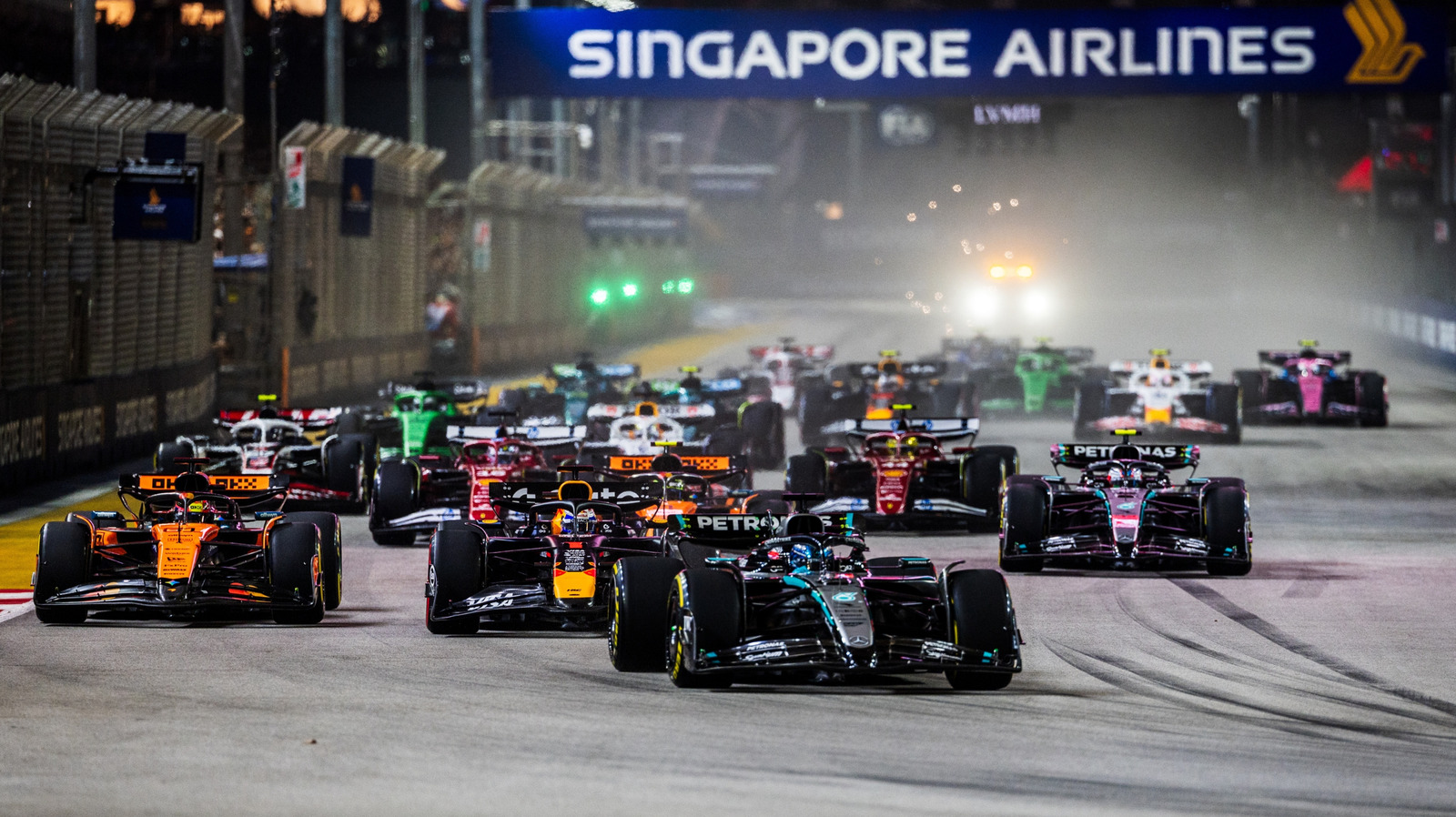
Race car transmissions are fundamentally different from those in standard vehicles, engineered for extreme performance and durability. While a normal gearbox focuses on balancing efficiency and everyday drivability, a racing transmission is built to withstand immense forces, deliver lightning-fast shifts, and keep the engine in its optimal power band. Key differences lie in the use of high-strength, often exotic materials like aerospace-grade alloys and specialized steel for gears, along with reinforced casings to prevent distortion. The shifting mechanism is also a major differentiator, with many race cars employing sequential gearboxes that allow for rapid, sequential upshifts and downshifts, often using dog clutches for direct engagement instead of synchromesh. These systems, coupled with advanced cooling, lubrication, and electronic controls, enable shifts in milliseconds. Transaxle designs for better weight distribution and specialized units from manufacturers like Hewland are also common. Ultimately, a racing transmission is a critical, purpose-built component optimized for the brutal demands of motorsport, ensuring maximum power delivery and split-second performance advantages on the track.